Wondering why one Paradise Valley home sells quickly near asking price while another sits for months and takes a reduction? In this market, luxury pricing is rarely about a simple price-per-square-foot formula. If you want to sell well, you need to understand how buyers weigh views, lot characteristics, condition, and micro-location. Let’s dive in.
Why pricing luxury in Paradise Valley is different
Paradise Valley is a premium market, but it is also a slow-turn one. Recent market data shows a median sale price of $4,446,839 over the three months ending May 2026, with median days on market at 91.
That longer timeline matters when you set your list price. Redfin reports a 94.6% sale-to-list ratio, and 42.1% of homes had price drops. Realtor.com also reported a median listing price of $4,999,500 and noted that homes sold 4.72% below asking on average in May 2026.
The takeaway is simple: the first price still matters most. In Paradise Valley, launching too high can cost you momentum and lead to a longer market time.
Start with sold comps, not wishful pricing
If you are pricing a luxury home in Paradise Valley, active listings should not be your main anchor. Asking prices show seller goals, but sold properties show what buyers actually agreed to pay.
That difference is especially important here because the spread between homes is so wide. Recent sold examples ranged from about $4.65 million to $32.5 million, including estates with mountain views, preserve views, large gated settings, and high-end finishes.
Those numbers show why square footage alone will not price your home correctly. A realistic pricing strategy starts with recent sold comparables from the same micro-market, then adjusts for the specific features that set your property apart.
Micro-location drives value in Paradise Valley
In many markets, you can compare homes across large areas and still get close. In Paradise Valley, that approach can miss the mark because small location differences can create major pricing differences.
A home’s position near a prominent corridor, its mountain backdrop, its golf or resort setting, or its lot placement within a pocket of town can all shape buyer demand. Two homes with similar size may perform very differently if one offers stronger views, more privacy, or a more desirable setting.
Views and topography matter
Maricopa County Assessor guidance says market value analysis considers factors such as prior sales, zoning, topography, view, livable square footage, and lot size. The county also treats scenic views as an amenity that can enhance value.
In practical terms, a hillside lot, a mountain-view lot, or a parcel with unusual topography may command a different price than a similar interior lot. That does not mean every view creates the same premium, but it does mean buyers often pay more for a strong setting that feels hard to replace.
Hillside conditions can affect pricing
Paradise Valley’s Hillside Building Committee reviews items such as land disturbance, height, lighting, grading, drainage, and building materials for hillside projects. These rules do not assign a set dollar premium, but they do influence how buyers think about buildability, exposure, and long-term usability.
If your property sits on a hillside or has complex terrain, pricing should reflect more than lot size. It should also reflect how the site functions and how that setting compares with recent nearby sales.
Lot size and zoning shape buyer value
Paradise Valley includes large-lot single-family districts such as R-175, R-43, and R-35, along with special-use districts for resort, country club, and golf course uses. The town notes that minimum lot size and width depend on zoning, and some parcels may need lot splits or variances depending on the property.
That matters because buyers at this price point often look beyond the house itself. They may also care about lot geometry, buildable area, open space, and what the zoning means for future plans.
Condition and updates can move the number fast
In Paradise Valley, buyers are not just paying for an address. They are often paying for move-in readiness, strong architecture, and outdoor spaces that feel like a private resort.
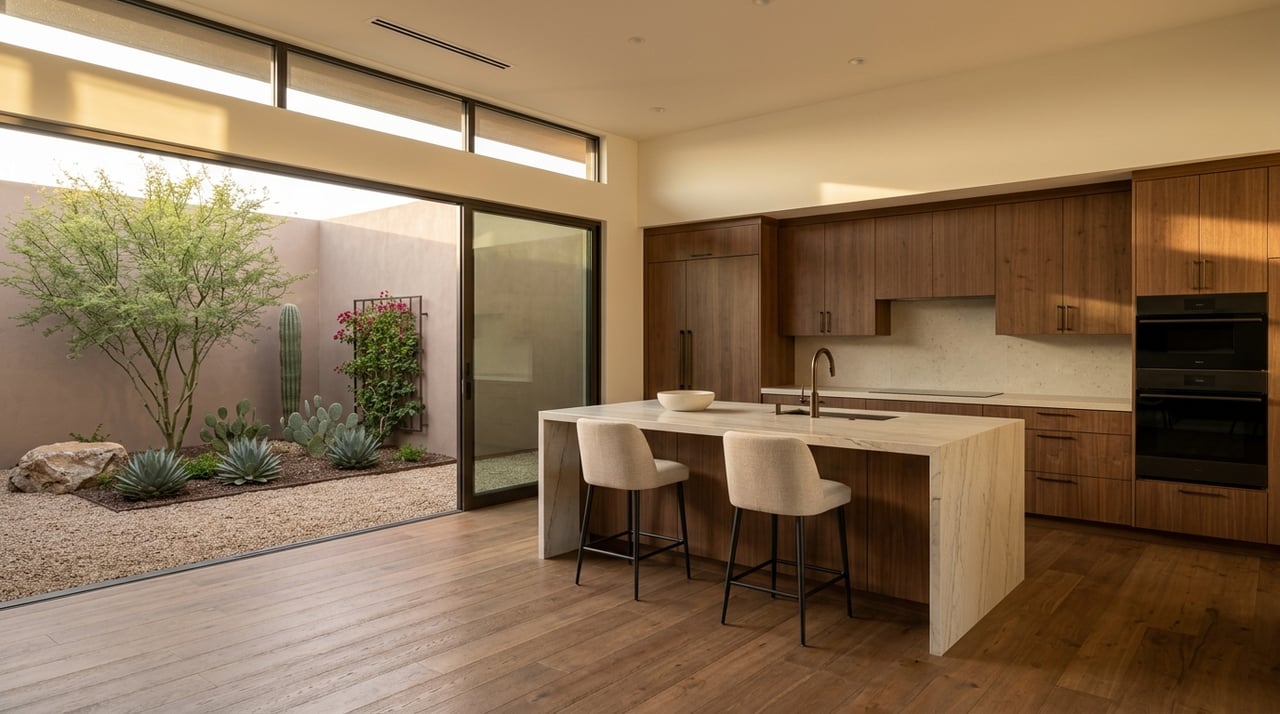
Recent sold examples support that point. Buyers paid for rebuilt or highly upgraded homes featuring custom doors, Pella windows, quartz countertops, open layouts, and resort-style backyards.
If your home has been thoughtfully renovated, that should be part of the pricing conversation from day one. If it has not, your pricing should reflect what buyers may need to update after closing.
Outdoor living counts in luxury pricing
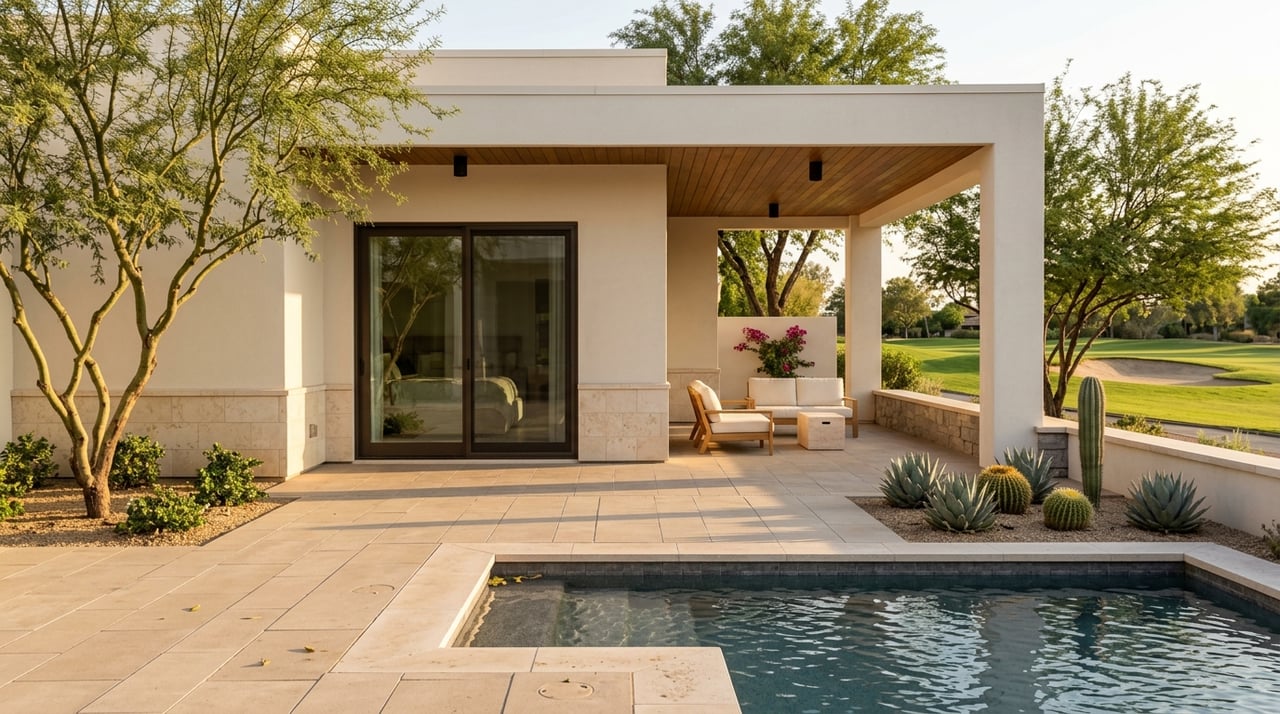
In this market, outdoor features are not secondary. Pools, mountain-facing patios, golf-course settings, and polished entertaining spaces can shape how buyers compare one home to another.
The county’s guidance notes that amenities can enhance attractiveness, and recent sales in Paradise Valley show that buyers respond to lifestyle features. When a property delivers strong indoor-outdoor living, that can support a stronger price position.
Resort and golf adjacency can influence demand
Paradise Valley’s zoning specifically accommodates resort, country club, and golf course uses. That helps explain why homes near these settings often attract attention from buyers who are shopping for a certain lifestyle as much as a certain square footage.
Still, the premium is not automatic. The value comes from how that setting shows up in the actual property, whether through views, privacy, outdoor experience, or overall appeal compared with other available homes.
Why online estimates often fall short
If you have checked an online value estimate, you are not alone. The issue is that automated tools tend to struggle most where properties are unique, custom, or difficult to compare.
Zillow says its Zestimate is an estimate of market value, not an appraisal. The company also says Zestimates can be missing or less reliable for new, unique, or hard-to-compare properties and in areas with limited recent sales.
That is exactly the kind of challenge you see in Paradise Valley. Custom estates, large parcels, hillside lots, and one-of-a-kind view homes often do not fit neatly into an algorithm.
Maricopa County’s valuation guidance points in a similar direction. The county says full cash value is a mass-appraisal estimate for assessment purposes, and that value analysis still considers factors like prior sales, zoning, topography, view, livable square footage, and lot size.
So whether you are looking at an AVM, a tax notice, or a quick online estimate, treat it as a starting point. It should not be your final list price.
A smart pricing strategy for Paradise Valley sellers
The best pricing strategy is usually narrow, local, and realistic. You want to look first at recent sold comparables in your immediate competitive set, then adjust for the features that matter most in Paradise Valley.
That means weighing:
- Micro-location within Paradise Valley
- Lot size and lot configuration
- Zoning and possible use limits
- View quality and topography
- Architecture and design appeal
- Renovation level and move-in readiness
- Outdoor living features and amenities
- Resort, golf, or preserve adjacency
A strong list price also respects how the market is trading right now. With homes often selling below asking and many listings taking reductions, careful pricing can help you attract serious buyers earlier.
Common pricing mistakes to avoid
Luxury sellers often make the same few mistakes when they price a home in Paradise Valley. Avoiding them can protect your negotiating position.
Using active listings as your main benchmark
Active listings can be helpful for understanding competition, but they do not prove value. Sold comps carry more weight because they show what buyers actually paid.
Leaning too hard on price per square foot
Price per square foot can offer context, but it should never be the whole story in Paradise Valley. Views, lot characteristics, architecture, and condition can create major differences between homes that look similar on paper.
Treating assessed value like market value
Maricopa County says the Notice of Value is not a tax statement, and assessed value can be higher or lower than market value. That makes assessed value a poor main benchmark for a luxury list price.
Assuming every upgrade earns a full return
High-end improvements matter, but not every project adds equal value. Buyers tend to pay most for updates that improve overall design, functionality, and move-in readiness.
What sellers should ask before setting a list price
Before you bring your home to market, it helps to ask a few practical questions:
- Which recent sold homes truly compete with mine?
- How strong and protected are my views compared with nearby sales?
- Does my lot configuration or topography help or limit value?
- How does my renovation level compare with current buyer expectations?
- If I price aggressively, how likely am I to need a reduction later?
These are the kinds of questions that lead to better pricing decisions. In a market as nuanced as Paradise Valley, small differences can change the outcome in a big way.
If you are preparing to sell, the goal is not to chase the highest possible number on day one. The goal is to price in a way that reflects real buyer behavior, highlights what makes your property special, and protects your leverage from the start.
If you want a pricing strategy built around your lot, location, views, and finishes, The Grandon Group can help you evaluate your home through the lens of how Paradise Valley buyers actually shop and compare.
FAQs
How should you price a luxury home in Paradise Valley?
- Start with recent sold comparables in the same micro-market, then adjust for views, lot size, topography, zoning, architecture, condition, and outdoor features.
Do views increase luxury home value in Paradise Valley?
- Views can increase value when they are strong, scenic, and supported by the property’s overall quality and setting.
Should you use assessed value to price a Paradise Valley home?
- No. Maricopa County says assessed value can be higher or lower than market value, so it should not be your main pricing benchmark.
Are online home estimates accurate for Paradise Valley luxury homes?
- They can be a starting point, but custom estates, large lots, and unique view properties often have fewer true comparables, which can limit estimate accuracy.
Does lot configuration matter when pricing a Paradise Valley property?
- Yes. Zoning, minimum lot size and width, topography, and possible variance or split issues can all affect how buyers view value.
How long do luxury homes take to sell in Paradise Valley?
- Recent Redfin data shows a median of 91 days on market over the three months ending May 2026, which points to a market where pricing discipline matters.