Dreaming of a Sedona getaway that helps pay for itself? You’re not alone. Many buyers look to Sedona for a second home they can enjoy part-time and rent short-term when they’re away. In this guide, you’ll learn how the rules work, what drives income, which areas to consider, and a simple checklist to move forward with confidence. Let’s dive in.
Sedona at a glance: why it works
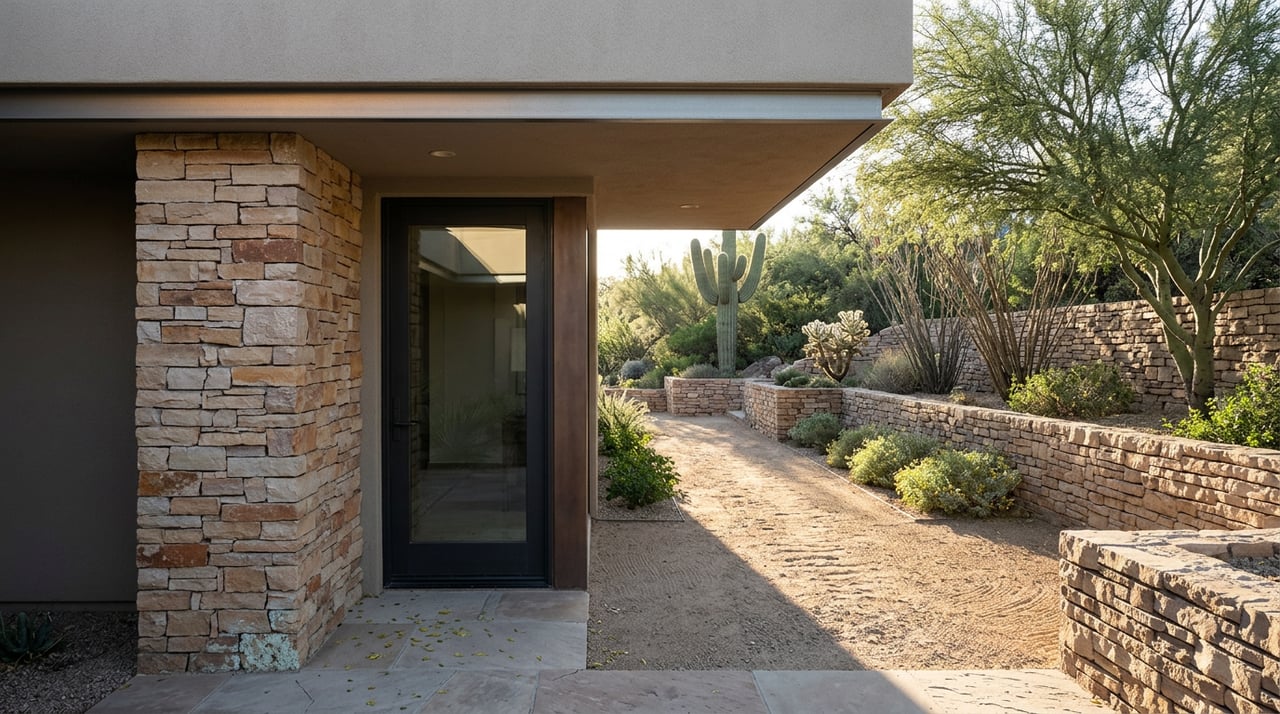
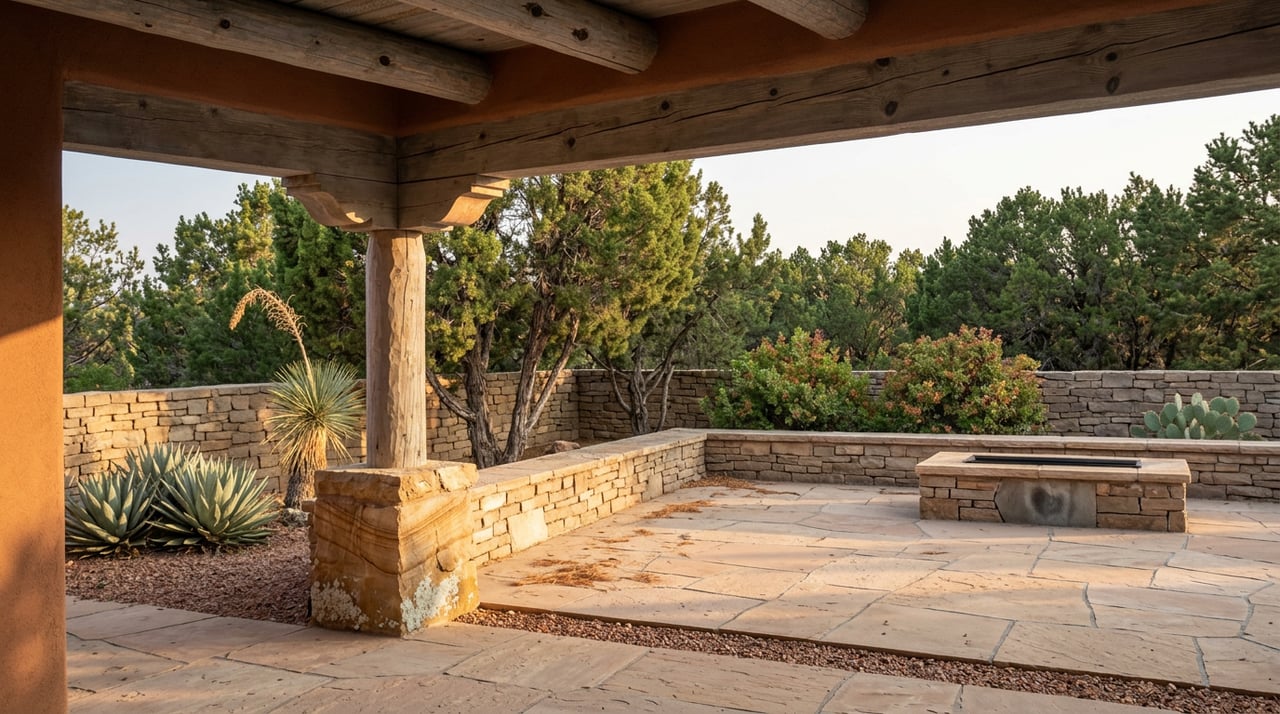
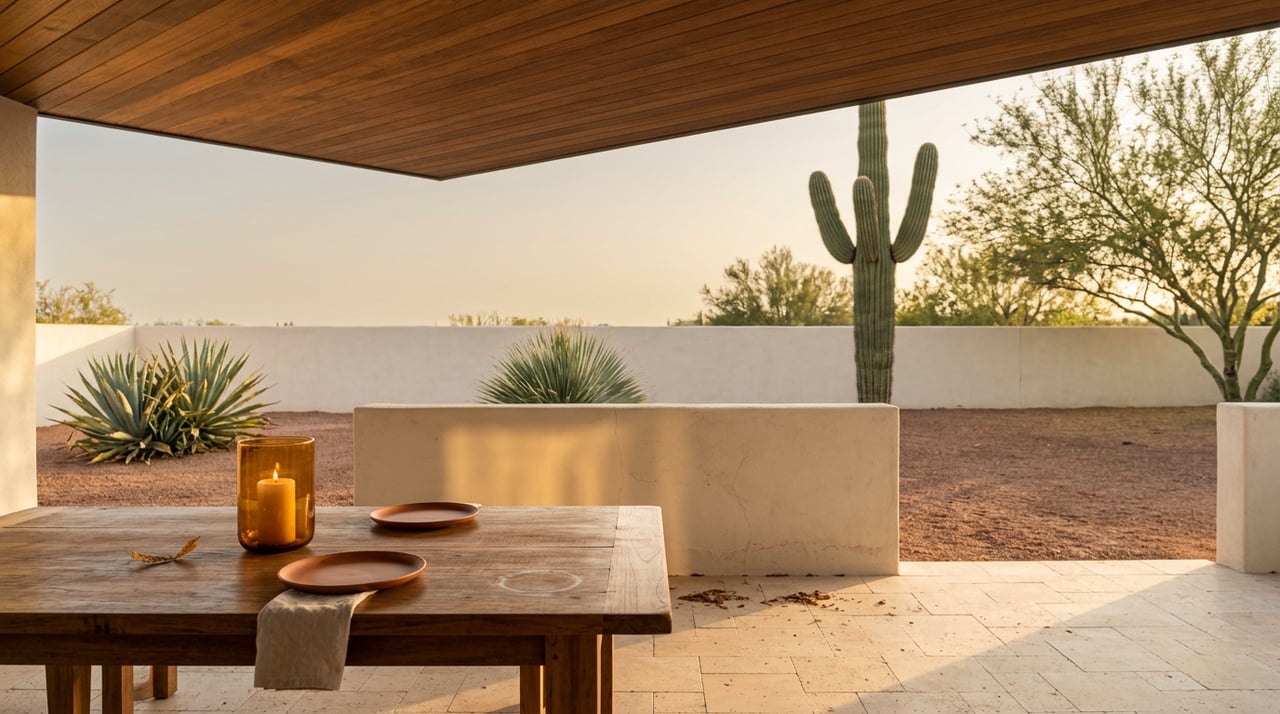
Sedona’s draw is powerful: red‑rock scenery, trail access, and a steady stream of visitors in spring and fall keep demand strong. Properties that highlight unobstructed red‑rock outlooks tend to command higher nightly rates and faster bookings, reflecting the area’s destination appeal and guest preferences. You can see this in how luxury listings showcase views and outdoor living, which speaks directly to traveler expectations in Sedona’s market as local tourism coverage notes.
For a market snapshot, AirDNA’s Sedona overview reports about 54% occupancy and an average daily rate (ADR) near $360 across listing types. Your results will vary by property size, location, and amenities, so use address‑level data when you underwrite specific homes. Still, the snapshot is useful for framing Sedona’s baseline expectations in the current market overview.
Rules: city vs. county
Short‑term rental rules depend on where your property sits. Start by confirming whether the address is inside Sedona city limits or in unincorporated Yavapai County (like the Village of Oak Creek). From there, you can match the right permit and operating steps.
Inside Sedona city limits
Sedona runs a municipal permitting program for short‑term rentals. The city launched its portal in January 2023, with existing STRs required to obtain permits shortly after. The program covers key items like a local emergency contact, proof of tax registration, insurance minimums, advertising requirements, and renewal/enforcement steps. Review the city’s official program page for current rules, deadlines, and forms on the City of Sedona website.
If a property is part of an HOA or condo, you must also check community rules. In many cases, community CC&Rs set minimum stays or may not allow nightly rentals at all. HOA rules control use even when city rules allow STRs.
Village of Oak Creek and unincorporated Yavapai
Homes in the Village of Oak Creek (Big Park) and other unincorporated areas follow Yavapai County’s rules, not the city code. Short‑term rental use is generally allowed in permitted habitable structures, while county development standards, septic and water requirements, and any county permits still apply. For county guidance and definitions, read the county’s Development FAQ from Yavapai County.
State law sets the guardrails
Arizona law prevents cities and towns from flat bans on STRs while allowing narrow local rules for health, safety, nuisance, permits, and licensing. The statute outlines what cities can require, including permit details, neighbor notices, proof of transaction privilege tax (TPT) registration, and insurance minimums. It also includes an owner‑occupancy carve‑out for ADUs permitted on or after September 14, 2024. You can read the text of A.R.S. §9‑500.39 on the Arizona Legislature site.
Rules can change as state legislation evolves and local ordinances are updated. For the latest, rely on official city, county, and state pages before you buy or list.
Where to buy: quick area guide
Uptown, Tlaquepaque, SR‑89A corridor
You’re close to shops, dining, and galleries in Sedona’s main visitor hub. Expect smaller lots, condos and townhomes, and frequent HOA or condo rules to review. Walkability is the draw here, with city permits required for STRs inside the limits.
West Sedona and Village of Oak Creek
These areas feel more residential, with larger lots and many single‑family homes. The Village of Oak Creek is unincorporated, so Yavapai County rules apply. Many neighborhoods have HOAs, some with restrictions on nightly rentals, so review CC&Rs and meeting minutes carefully before you commit.
Trail‑edge pockets and mesa outlooks
Neighborhoods near Airport Mesa, Chapel, Brins Mesa, and Boynton Canyon offer striking views and quick trail access. Properties with panoramic red‑rock outlooks or direct trail proximity often achieve premium pricing, and local attention to parking, noise, and traffic is higher in these micro‑areas. This is where listing photos and outdoor living spaces matter most to guests.
Resort, gated, or golf communities
Communities such as Seven Canyons can deliver lock‑and‑leave living with amenities and concierge‑style services. Many of these communities restrict STR frequency or require owner memberships. Read the full HOA packet and confirm any rental caps or blackout periods before you finalize an offer.
What drives revenue in Sedona
Seasonality and demand patterns
Sedona’s busiest months are typically spring (March through May) and fall (September through November), when weather and events pull the strongest demand. Summer can soften with heat and monsoon patterns, and winter is lighter, with holiday spikes. Plan your underwriting with conservative occupancy in off‑season months and stronger shoulder‑season performance as illustrated in local tourism coverage.
Views and listing quality
Scenic views add measurable value. Academic research on “the value of a view” finds that water, wide vistas, and mountain or canyon views can produce meaningful premiums. The exact uplift varies by market and view type, which is why a local CMA is essential for each property. In Sedona, unobstructed red‑rock or mesa panoramas and creekside settings are frequently cited as top drivers of price and ADR supported by hedonic literature.
Pricing, minimum stays, and fees
Nightly rate strategy, minimum stays, and your cleaning fee policy all shape length of stay and turnover. Smaller condos and studios typically compete on price and convenience, while larger homes may win on design, outdoor space, and views. Use recent comps and your manager’s playbook to calibrate rates for peak, shoulder, and off‑season windows.
Taxes: what to model and why it matters
Combined lodging taxes apply to gross rental receipts and vary by county. For Sedona properties on the Yavapai side, a commonly cited combined rate is about 13.325%. Platform collection practices can differ, and owners remain responsible for registration and filing where required. You can review Arizona bed and lodging tax references in this state resource from the Arizona Office of Tourism.
Here’s a quick example so you can see the math:
- Example nightly rate: $400
- Three‑night stay: $1,200 gross room revenue
- Approximate lodging tax at 13.325%: $159.90
- Guest total before platform fees: $1,359.90
Your net will be lower after platform fees, management commission, cleaning, and operating costs. Build a line‑item model so you see true cash flow.
Operating from afar: costs to plan
Management and oversight
Full‑service vacation rental management commonly ranges from about 10% to 30% of gross rental revenue, depending on services and scale. Ask for a full fee schedule including commission, marketing, booking, maintenance coordination, onboarding, and any pass‑through costs. You can review national benchmarks for typical fee ranges in this management overview.
Turnover cleaning and linens
Cleaning fees have risen across the U.S. A common benchmark is around $150 to $180 per turnover, with larger homes costing more. Budget for laundry, linen replacement, and a few deep cleans each year to maintain standards per industry data on cleaning transparency.
Maintenance and wildfire readiness
Plan for landscaping, irrigation or desert maintenance, HVAC service, pest control, and seasonal checks. Sedona sits in a wildland‑urban interface, so insurance can be sensitive to wildfire risk. Properties with defensible space and Firewise best practices may be easier to insure. Request insurance quotes early and review local emergency resources on the City of Sedona’s emergency management page.
HOA and CC&R reviews
Some Sedona condos, gated communities, and Village of Oak Creek subdivisions restrict short‑term rentals or set minimum stays. Always obtain the full HOA packet, including CC&Rs, rental policies, meeting minutes, and any pending amendments. If restrictions exist, they will govern even when city or county rules allow STRs.
Your due diligence checklist
Use this quick list to protect your upside and reduce surprises:
- Confirm jurisdiction for the exact address: city limits or unincorporated Yavapai County.
- If inside the city, review the current permit requirements and any enforcement history for the parcel on the City’s STR program page.
- If in the Village of Oak Creek or other unincorporated areas, read county rules and development standards in Yavapai County’s Development FAQ.
- Check HOA documents: CC&Rs, rental policy, meeting minutes, and any amendments under consideration.
- Underwrite with market data: compare recent ADR and occupancy from a market tool like AirDNA and pair it with local MLS comps via the Sedona market overview.
- Verify utilities and infrastructure for unincorporated parcels: sewer vs. septic, water source, road access, and any recorded easements.
- Model taxes and fees: plug in the combined lodging tax for the address referencing Arizona’s lodging tax resource.
- Price insurance early, including wildfire coverage and any local STR insurance minimums noted in city emergency resources.
- Understand the state framework so you know what cities and counties can require by reading A.R.S. §9‑500.39.
When you’re ready to explore properties, our family‑led team can help you target homes that fit your lifestyle and revenue goals, connect you with vetted local vendors, and guide you through HOA, permit, and insurance questions. If you want a second home that doubles as a welcoming retreat and a responsible rental, we’ll help you get the details right from day one. Start the conversation with The Grandon Group.
FAQs
Are short‑term rentals allowed at my Sedona address?
- It depends on jurisdiction and HOA rules. Inside Sedona city limits, you’ll need a city STR permit and to follow the city’s operating requirements; in the Village of Oak Creek and other unincorporated Yavapai areas, county rules apply. HOA CC&Rs can be more restrictive than city or county rules and will control use.
What permits do I need inside Sedona city limits?
- You must obtain a city STR permit and meet requirements like listing your permit number in ads, keeping a local emergency contact on file, maintaining required insurance, and renewing as directed by the city. Review the latest steps on the City of Sedona’s STR program page.
How much can a Sedona vacation rental earn?
- Market snapshots show average occupancy near 54% and ADR around $360, but results vary by view, size, design, and location. Use address‑level data and conservative off‑season assumptions, and review local MLS comps before setting expectations.
What taxes apply to bookings in Yavapai County?
- A commonly cited combined lodging tax on the Yavapai side of Sedona is about 13.325% of gross rental receipts. Platform tax collection policies vary, and owners remain responsible for registration and filing where required.
What are typical management and cleaning costs?
- Full‑service management commonly ranges from about 10% to 30% of gross rental revenue depending on services. Cleaning often runs roughly $150 to $180 per turnover for smaller homes, with higher costs for larger properties. Always request written quotes and itemized fee schedules.