Thinking about listing your Warner Ranch home but unsure where to price it? You are not alone. Warner Ranch Phase is a true micro‑market, which means the right price comes from what is happening on your street, not broad city averages. In this playbook, you will learn how Local MLS data and careful micro‑comps drive pricing, which updates deliver the most value, and how to time your launch within the next 30 to 90 days. Let’s dive in.
Warner Ranch pricing basics
Pricing in Warner Ranch Phase runs on hyperlocal data. Similar floor plans, pool or no pool, lot size, and condition all move the needle. Citywide medians can mislead you. You need the closest, most recent sales and pendings to guide your list price.
- Start with recent solds inside your phase, ideally within the last 3 to 6 months. Your agent will pull these from the Arizona Regional MLS.
- Check active and pending listings to see your current competition and momentum.
- Note seasonality and shifts. Phoenix‑area metrics changed rapidly from 2022 to 2024. Rely on a current CMA and local context rather than stale stats. For market interpretation, many local pros follow the Cromford Report.
How to price with micro‑comps
Here is the simple process your agent should use to set a defensible price for a Warner Ranch home:
- Define the sample
- Pull sold properties in the past 3 to 6 months inside the same Warner Ranch phase. If few sales exist, expand to 6 to 12 months.
- Match key features
- Choose comps with the same floor plan or within about 100 to 150 square feet, similar bed and bath count, similar lot type, and pool status that matches your home.
- Adjust for differences
- Account for material upgrades and condition. Factor in items like a remodeled kitchen, owned solar, updated HVAC, new roof, shade structures, or an upgraded pool. Note the rationale for each adjustment in the CMA.
- Check the competition
- Review active and pending listings to understand where buyers have choices and what is getting traction.
- Calculate target value
- Find the median price per square foot among matched solds. Multiply by your home’s square footage, then adjust up or down for condition, features, and location nuance.
- Present pricing paths
- Build 2 to 3 scenarios: aggressive, market, and aspirational. Include an estimated days on market range and who the likely buyer will be for each scenario.
Quick example: You find three solds with your same plan that closed in the last 90 days. Two have pools and one does not. Your home has a well‑maintained pool and a recently serviced A/C with records. After adjusting for the pool and condition, you translate the numbers into a market‑aligned price, an aggressive price to spark more activity, and an aspirational price if you have time to test the market.
Pro tip: Online estimates are inputs, not the final word. Your agent should triangulate Automated Valuation Models with MLS solds and live competition to present a complete picture.
Choose your pricing strategy
Aggressive pricing
- Pros: Creates more showings and potential bidding activity, often shortens days on market.
- Cons: Risk of leaving money on the table if the market would have supported more.
Market pricing
- Pros: Data‑driven and aligned with comps. Balances speed with sale price.
- Cons: Requires tight execution on prep and marketing to stand out.
Aspirational pricing
- Pros: Can be appropriate if your home has rare features and you have time.
- Cons: Increases the odds of longer time on market and price reductions.
Your best path depends on your timeline, your home’s condition, and current buyer demand inside Warner Ranch. Ask for a scenario plan with estimated days on market and net proceeds under each option.
Prep that boosts your price in Warner Ranch
Buyers in Chandler and South Tempe value comfort, low‑maintenance outdoor space, and indoor‑outdoor living. Focus on improvements that show well online and in person.
High‑ROI moves
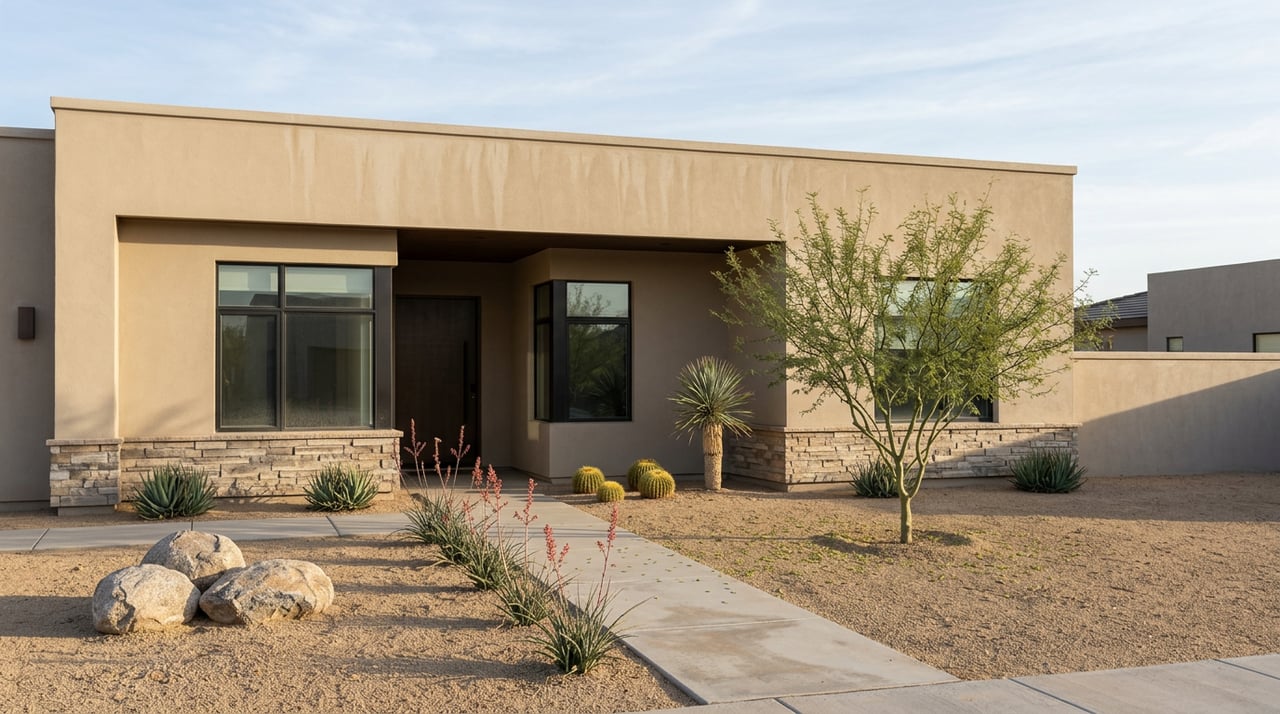
- Curb appeal and xeriscape refresh. Pressure‑wash, repaint trim, update exterior lights, and tidy desert landscaping. Low‑water plantings and clean rock beds make a strong first impression.
- HVAC service and records. Service your A/C, change filters, and save receipts. Comfort is top of mind in hot months.
- Pool tune‑up. Clean the pool, confirm pumps and heaters work, and address safety features. A functional pool is a plus in our climate.
- Neutral interior paint. Fresh, light paint in main living areas and trim goes a long way.
- Deep clean and small repairs. Patch holes, fix leaky faucets, tighten hardware, and replace worn door handles.
- Staging focus. Stage living areas and the primary bedroom to emphasize openness and the connection to patios and the pool.
- Photography that fits the desert. Use a pro who understands Phoenix light. Ask for twilight shots to highlight the pool and outdoor living.
- Smart refreshes in kitchen and baths. Update lighting, faucets, cabinet hardware, and caulk lines. Major remodels rarely pay back right before listing.
For national cost‑versus‑value context, review the latest Remodeling Magazine Cost vs. Value report, then weigh those ranges against the uplift your CMA suggests for Warner Ranch.
Energy and solar
- Improve comfort with basic weatherstripping and window maintenance where needed.
- If you have solar, document whether panels are owned or leased and gather production records. Owned systems usually convey clearer value at resale.
What to gather before listing
A well‑organized file speeds up disclosures and builds buyer confidence. Start collecting:
- Recent utility bills and A/C service records
- Roof, appliance, and solar warranties and manuals
- HOA contact information, governing documents, fees, and any transfer fees
- Any permits for improvements
- Property tax and deed information from the Maricopa County Assessor and Recorder
Want to highlight neighborhood context in your listing package? The City of Chandler has information on parks, amenities, and public improvements you can reference.
When to list: timing and your 30/60/90 plan
Seasonality
- Buyer activity often increases in cooler months, roughly October through April in the Valley. That said, mortgage rates and inventory can outweigh the calendar.
- If you list during hotter months, lean into comfort features like well‑serviced A/C, shaded patios, misters, and energy efficiency in your marketing.
- Avoid launching right after major holidays or community events when attention may be low.
30/60/90 timeline
0 to 14 days
- Order a CMA and on‑site valuation from your agent.
- Declutter, deep clean, and complete obvious small repairs.
- Service HVAC and pool. Gather warranties and documents.
- Pull HOA documents and tax or deed info.
14 to 30 days
- Complete paint touch‑ups or full interior paint as needed.
- Refresh landscaping and exterior trim.
- Schedule professional photos and a virtual tour.
- Decide on staging and schedule deliveries.
30 to 60 days
- Finish staging and photography.
- Choose your pricing strategy and go‑live date.
- Prepare a features sheet that highlights lot, pool, solar, and recent updates.
- Set showing instructions and your disclosure package.
60 to 90 days
- Monitor showings and feedback with your agent. Adjust price or marketing if needed.
- Consider a pre‑inspection if the same objections keep coming up.
- Negotiate offers, review net sheets, and set your closing timeline.
Transaction basics in Arizona
- Disclosures. Arizona sellers typically use the standard forms provided by Arizona REALTORS. Your agent will guide you on which documents apply.
- Lead‑based paint. Required only for homes built before 1978. Most Warner Ranch homes are newer, but always verify your build year.
- HOA items. Disclose fees, CC&Rs, and transfer fees and provide current association documents promptly.
- Taxes and prorations. Expect proration of property taxes and standard closing costs like title and recording fees. Ask your agent for a preliminary net sheet.
- Negotiation levers. In our area, sellers often consider closing cost credits, temporary rate buydowns, pre‑listing repairs, or a home warranty depending on demand.
For broader buyer and seller insights, you can explore National Association of REALTORS research to understand how staging, concessions, and market shifts influence outcomes.
Your next step
The right price starts with the right plan. If you are 30 to 90 days out, request a free on‑site valuation that includes a micro‑comp CMA with the 3 to 5 closest solds, 2 to 3 pricing strategies with estimated days on market, and a preliminary net sheet. When you are ready, connect with The Grandon Group to map out your Warner Ranch sale with local data, smart prep, and confident pricing.
FAQs
How does a pool affect a Warner Ranch sale?
- In Chandler and Tempe, a clean, functional pool is often a net positive. A neglected pool can turn buyers away, so repair or disclose conditions clearly before you list.
Should I replace my roof or A/C before listing?
- If a system is failing or near end‑of‑life, replacement can reduce objections and appraisal issues. If costs are high, consider a price credit guided by your CMA.
How long will my Warner Ranch home take to sell?
- It depends on micro‑comps, condition, and season. Your agent should present estimated days on market for aggressive, market, and aspirational pricing scenarios.
Do owned solar panels add resale value in Arizona?
- Owned solar usually helps because it lowers energy costs and transfers cleanly. Leased systems can add steps, so document terms early.
What seller fees should I expect in Maricopa County?
- Typical costs include agent commissions, title and recording fees, HOA transfer fees if applicable, and any negotiated concessions. Ask for a preliminary net sheet.
How do HOA fees and CC&Rs affect my buyer pool?
- Higher fees or restrictive rules can narrow the buyer pool. Provide current HOA documents upfront so buyers can review early.